Posted by - William A Submission -
on - Nov 12 -
Filed in - Other -
mold -
75 Views - 0 Comments - 0 Likes - 0 Reviews
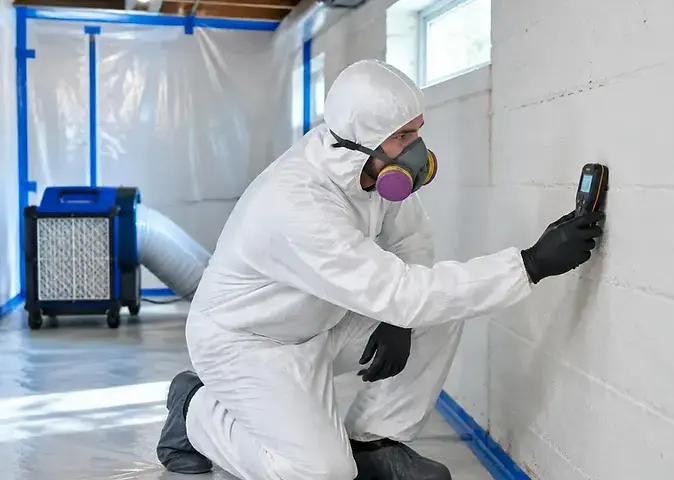
Winter brings colder temperatures, increased indoor heating, and limited ventilation to homes throughout Yonkers and Westchester County, NY. During this season, homeowners may notice condensation collecting on windows, damp patches appearing on exterior walls, or dark spots developing around window frames.
These problems are often connected to excess indoor humidity, temperature differences, and poor air circulation. When moisture repeatedly accumulates on building surfaces and is not properly removed, it can create favorable conditions for mold growth.
Understanding why windows and exterior walls develop mold during winter can help homeowners recognize moisture problems and take preventive steps before the damage spreads.
One of the most common reasons mold develops around windows during winter is condensation. When warm indoor air comes into contact with cold glass, window frames, or nearby surfaces, moisture can collect as water droplets.
This frequently happens in bedrooms, bathrooms, kitchens, and other areas where indoor humidity is higher.
If condensation forms regularly and window surfaces remain damp, mold may begin growing along window seals, wooden frames, and surrounding drywall.
Exterior walls are exposed to colder outdoor temperatures throughout winter. When indoor heating keeps the interior of a home warm, temperature differences can contribute to condensation within or around wall assemblies.
Moisture problems may become more noticeable when:
Exterior walls have insufficient insulation.
Windows and wall openings have damaged seals.
Indoor humidity remains consistently high.
Air circulation is limited near exterior walls.
Water enters through damaged siding or exterior cracks.
Previous roof or plumbing leaks have not been properly repaired.
When moisture becomes trapped inside building materials, mold may develop in concealed areas that homeowners cannot easily inspect.
During winter, many homeowners keep windows and doors closed to maintain comfortable indoor temperatures. Although this helps reduce heat loss, limited ventilation can allow moisture from everyday activities to accumulate.
Cooking, showering, washing clothes, and even breathing release moisture into indoor air.
Without adequate ventilation or humidity control, this moisture can settle on colder surfaces, including windows, exterior walls, and corners behind furniture.
Over time, repeated moisture accumulation may contribute to mold growth.
Homeowners should regularly inspect windows and exterior walls, especially after extended periods of cold weather.
Some common warning signs include:
Black, green, or gray spots around window frames.
Water droplets collecting along window glass.
Peeling or bubbling paint near exterior walls.
Musty odors in bedrooms and living spaces.
Dark discoloration in wall corners.
Damp drywall or deteriorating window trim.
Mold appearing behind furniture placed against exterior walls.
These signs may indicate condensation, water intrusion, or another underlying moisture problem that needs attention.
Controlling indoor moisture is one of the most important steps in reducing winter mold risks.
Homeowners can follow several preventive measures:
Control Indoor Humidity: Maintain indoor relative humidity below 60%, ideally between 30% and 50%, to help reduce excess moisture.
Wipe Away Window Condensation: Remove accumulated water from window glass, frames, and sills instead of allowing surfaces to remain damp.
Improve Air Circulation: Avoid placing large furniture directly against cold exterior walls. Leave enough space for air to circulate.
Use Bathroom and Kitchen Exhaust Fans: Proper ventilation helps remove moisture generated by showers, cooking, and other household activities.
Inspect Window Seals: Check for damaged caulking, loose frames, and gaps that may allow cold air or water to enter.
Check Exterior Walls for Leaks: Investigate water stains, cracks, damaged siding, and other signs of moisture intrusion.
Address Existing Water Damage: Repair leaks and dry affected building materials promptly to reduce the possibility of mold development.
Occasional condensation does not automatically mean a home has a mold problem. However, recurring discoloration, persistent musty odors, damp drywall, and visible mold growth should not be ignored.
Mold may develop behind wallpaper, inside wall cavities, beneath flooring, or around concealed building materials. Simply wiping visible discoloration may not address the underlying moisture source or the full extent of the affected area.
Professional mold remediation may be necessary when mold repeatedly returns, moisture damage affects multiple surfaces, or contamination extends into concealed areas.
A professional assessment can help identify affected materials and determine the appropriate remediation steps. Correcting leaks, improving ventilation, and controlling indoor humidity are also important for preventing future problems.
Winter condensation and moisture accumulation can create ongoing mold concerns for homeowners in Yonkers and throughout Westchester County. Windows, exterior walls, and poorly ventilated spaces are particularly vulnerable when indoor humidity remains high and surfaces stay damp.
Regular inspections, proper ventilation, humidity control, and prompt leak repairs can help reduce the risk of mold growth during colder months.
For homeowners experiencing recurring mold, water damage, or indoor moisture problems, Wil’s Disinfecting Services, LLC provides professional mold remediation and related cleaning services in Yonkers, Westchester County, and surrounding New York communities. Addressing mold problems and their underlying moisture sources can help protect residential properties and maintain healthier indoor environments.

At our community we believe in the power of connections. Our platform is more than just a social networking site; it's a vibrant community where individuals from diverse backgrounds come together to share, connect, and thrive.
We are dedicated to fostering creativity, building strong communities, and raising awareness on a global scale.



