Posted by - William A Submission -
on - Nov 12 -
Filed in - Other -
-
77 Views - 0 Comments - 0 Likes - 0 Reviews
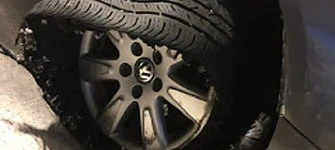
Experiencing a flat tire during heavy rainfall can be particularly stressful for drivers in Atlanta, GA. Rain reduces visibility, makes road surfaces slippery, and can create hazardous conditions around busy highways and intersections. When a tire suddenly loses air during a storm, motorists must respond carefully to avoid putting themselves and other road users at risk.
Whether traveling on I-75, I-85, I-285, or local Atlanta roads, knowing how to handle a flat tire during heavy rain can help drivers make safer decisions and prevent additional vehicle damage.
Heavy rainfall creates several challenges for motorists dealing with unexpected tire problems.
Water accumulation can make road shoulders slippery, while reduced visibility makes it harder for approaching drivers to recognize a stopped vehicle.
Rain can also hide potholes, sharp debris, and damaged pavement that may contribute to tire punctures.
Additionally, drivers may have difficulty changing a tire because wet ground can affect the stability of a vehicle's jack and other equipment.
For these reasons, safety should always come before attempting an immediate roadside repair.
If you notice a sudden loss of tire pressure while driving in heavy rain, follow these precautions.
Avoid sudden braking or aggressive steering. Hold the steering wheel firmly and gradually reduce your speed.
Try to maintain a straight path while looking for a safe location to stop.
If the vehicle remains controllable, move toward a safe parking area or suitable stopping location.
Avoid stopping in an active traffic lane or attempting to change a tire beside fast-moving highway traffic.
Turn on your hazard warning lights to alert other motorists that your vehicle is experiencing a problem.
Reduced visibility during heavy rainfall makes it especially important to make your vehicle noticeable.
Changing a tire during heavy rain can be dangerous, particularly on narrow highway shoulders, uneven ground, or locations exposed to passing traffic.
If the vehicle is not in a safe position, remain away from traffic and contact appropriate roadside assistance.
If the tire is completely flat, damaged, or unable to maintain pressure, arrange professional assistance.
A mobile tire technician may be able to inspect and address the problem at an accessible location.
Although rainwater itself does not normally cause a properly sealed tire to lose air, wet driving conditions can expose motorists to several tire hazards.
Hidden Potholes: Standing water can conceal potholes that damage tire sidewalls or internal structures.
Sharp Road Debris: Nails, screws, and broken glass may become harder to identify when roads are covered with water.
Existing Tire Punctures: A small puncture may continue allowing air to escape until the tire becomes noticeably underinflated.
Worn Tire Tread: Excessively worn tires provide reduced traction on wet surfaces and increase the risk of hydroplaning.
Damaged Valve Stems: Worn or damaged valve stems can cause gradual pressure loss regardless of weather conditions.
Driving on a completely flat tire is generally unsafe and can cause additional damage.
The tire may become damaged beyond repair, while continued driving can also affect the wheel and vehicle handling.
If you notice a flat tire, avoid traveling long distances to reach a repair facility.
Instead, move to a safe location and arrange professional assistance. If the vehicle is on a dangerous highway shoulder, prioritize personal safety and follow local roadside emergency guidance.
Preparing before a storm can help motorists respond more effectively when unexpected tire problems occur.
Consider these precautions:
Check tire pressure regularly, particularly before longer journeys.
Inspect tire tread depth to ensure adequate wet-road traction.
Look for sidewall cracks, cuts, and visible punctures.
Keep your hazard lights and emergency equipment in working condition.
Make sure your spare tire is properly inflated if your vehicle carries one.
Save the contact information of a mobile tire assistance provider.
Avoid driving through deep standing water or areas where road conditions are unknown.
These steps can reduce the likelihood of unexpected tire problems and help drivers respond more safely.
Mobile tire assistance can be useful when a vehicle develops a flat tire at home, work, a parking facility, or another accessible location during a storm.
Depending on the tire's condition, a technician can inspect the damage and determine whether a repair is possible or replacement is necessary.
However, mobile service availability depends on weather conditions, location accessibility, and technician safety. A vehicle stopped in an exposed highway lane or hazardous shoulder may require emergency roadside or highway assistance before tire service can safely take place.
A flat tire during heavy rain can create additional risks because of reduced visibility, slippery surfaces, and unpredictable road conditions. Finding a safe stopping location, activating hazard lights, and avoiding dangerous roadside repairs are important steps for Atlanta drivers.
For motorists experiencing flat tires, punctures, or unexpected tire damage, Peach State Tires provides mobile tire repair assistance throughout Atlanta, GA, helping drivers get professional support when tire problems interrupt their journeys.

At our community we believe in the power of connections. Our platform is more than just a social networking site; it's a vibrant community where individuals from diverse backgrounds come together to share, connect, and thrive.
We are dedicated to fostering creativity, building strong communities, and raising awareness on a global scale.



